Next Interior Memos weekly digest, 21 August 2025
A quick catch-up digest

As mentioned two weeks ago, the weekly digest was skipped last week because of travels—10d with very little if any cell reception was lovely. Because we’re just getting back and catching up, this digest is a bit shorter.
What happened
There’s been a lot over the past two weeks, so just a few quick updates:
- Remember how I shared the two main (only?) DOGErs were departing Interior a few weeks ago? Not so much…Tyler Hassen, at least, is evidently still around according to folks I talk with. It’s not at all clear what kind of destruction he’s up to now, so we’ll have to keep an eye out.
- Whether it’s their newfound “care” for North Atlantic Right whales or migratory birds (hint: this administration doesn’t care about either of these), as Grist puts it, “Trump’s Interior Department is turning environmentalists’ legal playbook against them: Federal laws meant to protect land and wildlife are being misused to curb wind and solar development across the U.S.”
- Parks and public lands
- We’ve briefly discussed the risks that the current administration is working to privatize our national parks—and who knows about places like our wildlife refuges. Here’s a longer piece on that, with various gaps filled in.
- They’re firing parks staff for exercising their First Amendment rights while off duty.
- The Land Desk’s update this week looks at water in the Colorado River basin and related public lands and waters topics.
- Tribal matters
- A good opinion piece in Native News Online on the current attempts to rewrite or “sanitize” Native American history. It’s a familiar plot underway, and just as Orwell described in 1984.
- Good background on Tribal Colleges and Universities (TCUs), targeted toward reporters but informative for anyone.
- Moments of science
- Hunting wolves really doesn’t help reduce livestock depredation much (NPR)
- Some new science on salmon declines in Alaska, which is a huge deal (Science Insider)
- Interior’s US Geological Survey, the Chesapeake Conservancy, and the University of Maryland - Baltimore County have made new data and results about the waters of the Chesapeake Bay available (Chesapeake Bay Program)
- Personnel
- The Office of Personnel Management has “canceled” the 2025 Federal Employees Viewpoint Survey even though it is required by law. Are they just afraid of how bad the results will be all across government, including at Interior?
- “The Trump administration is considering notifying probationary employees they were fired for cause, actually” If they do this, the administration will be lying.
- Bonus read: Given all the destruction underway from the current administration, as I think about what reconstruction looks like, I’m thinking a lot about risk-based approaches to Interior’s work. How could the core principles of public participation and a healthy environment in NEPA better focus on risk rather than blanket approaches? What about wildland fire, conservation, water, and climate? What about Trust and Treaty obligations to Tribes? What about the overlapping and interacting risks of all these mission-critical areas for Interior? This often leads to thinking about how and what to borrow from the world of insurance--it's risk management!--though there are some clear differences between government and insurance. This week, Insurance For Good put out a good piece entitled Is the Future Insurable that gets into some of the tricky issues at play as we deal with the uncertainty of future events with climate and other change. As I read the piece, I wondered about things like, where insurance might stop and where an agency like Interior might have to pick up the bill; or how the thresholds for what is too small or too large a risk differ. Take a look!
Coming up
Here are a couple things to put on your calendar:
- 26 August, 2:00pm Eastern: The Western Governors’ Association is hosting a webinar to “explore federal policy recommendations and highlight innovative, Native-led solutions across the West to address affordable housing challenges and enhance quality of life for Native American communities.”
- 28 August, 12:00pm Eastern: I’ll be speaking at an event organized by the National Wildlife Federation and partners to discuss the need to defend conservation science in these trying times. You’re welcome to sign up and join us!
We’ll be back with a regular Memo and a fuller weekly digest next week!
Parting shot
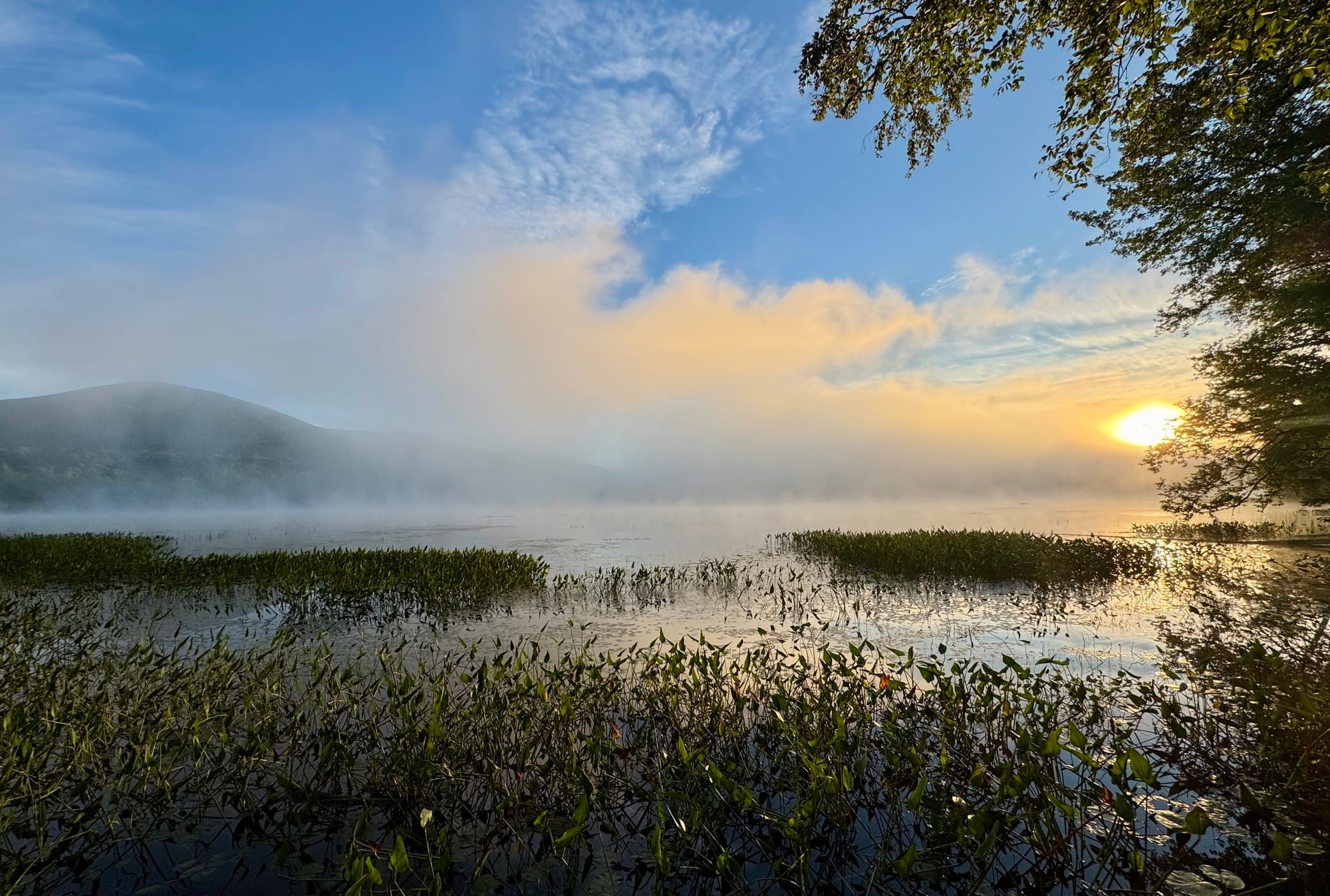
While I wish I could say our trip the past few days was focused on sites managed and protected by Interior, it wasn’t. But it was focused on our public lands, including Adirondack Park in New York, where I was happy to get this early morning shot while a loon called up the lake: