
Letter to the Future: Interior at 200 years old
Thinking about the future and what we need to do to secure it for future generations, with a letter to my daughter in 2049.

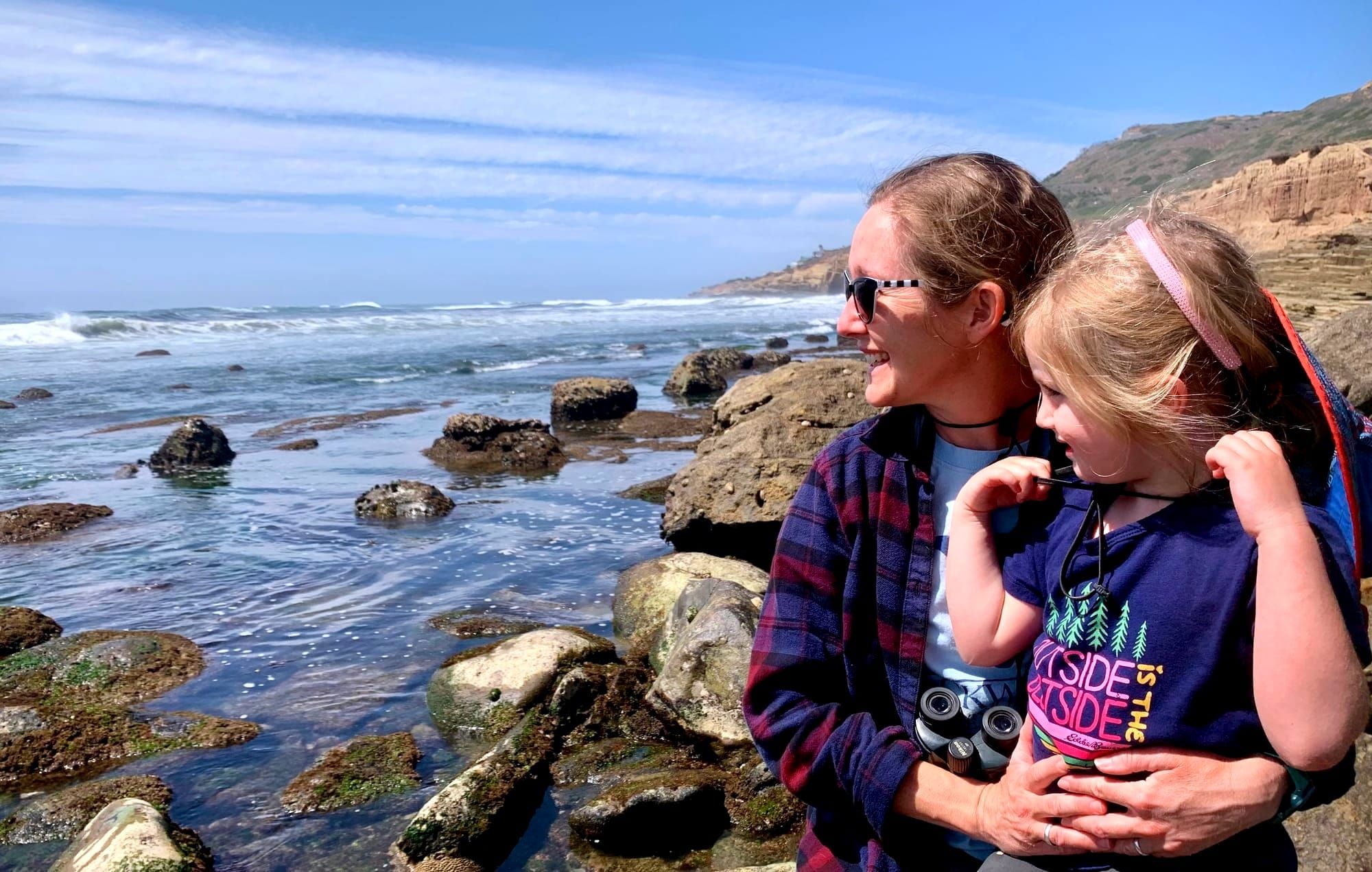
Evidence shows that writing a letter to the future is a really important way to help people take action on climate. This makes sense given the importance of getting people to take action as a means to learning about an issue in the first place. I wrote a letter to my daughter, Lark, focused not just on climate, but Interior at its 200th birthday. I hope this can inspire you to write a letter to someone you love about the future of Interior, the planet out 25 years…if so, head over to DearTomorrow.org/write and take a step to take action!
Dear Lark,
Are you reading this after getting back from a national park where you were hiking with your dogs? Or maybe a wildlife refuge where you and the dogs watched ducks and cranes and other birds fly in to roost for the night? Maybe you’ve been doing some research on manatees, probably with your dogs watching from the shore or in the boat? It may be none of these, but regardless where you are and what you’re doing, I (a) suspect you have dogs around and (b) deeply hope that you are doing well—especially since things are a bit dark as I write this.
You’re reading this in 2049, when you’re 32 years old. While many folks will think that’s an odd year to choose for a letter to the future, you grew up listening to me talk (drone on) about the U.S. Department of the Interior and how it will be 200 years old in 2049…so you’re not surprised, at least.
I’m writing this in 2025, at a time when far too many people and leaders are ambivalent about the Department or are outright attacking it. We have taken our parks and wildlife and our public lands for granted. Too many people don’t realize how critical the Department’s work on energy, water, and minerals is, and how important it is to look to the future of those needs, not backwards. Too many people ignore or are hostile to science, whether it’s about climate change or conservation or even personal and public health. Too few people know about our deep moral obligation to Native American tribes and their people, so they don’t support all the work still to be done in fulfilling those obligations. (Heck, there’s a large contingent of people who seem to be OK with the loss of democracy and the adoption of autocracy, so that’s a massive challenge in and of itself.)
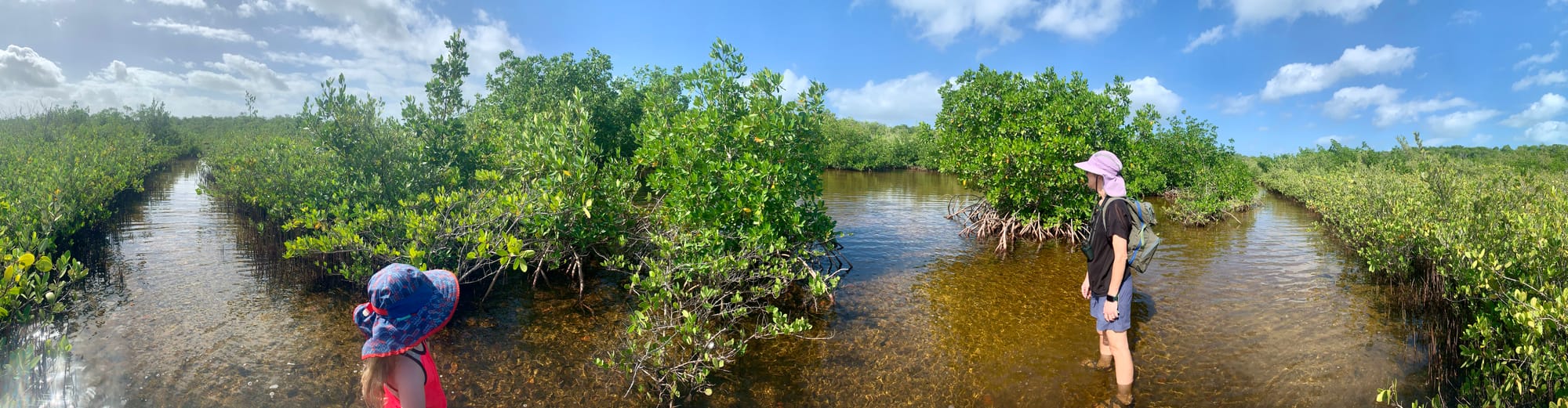
You are living in a very different world than what was in place in 2000—when I first worked for the Department at the U.S. Fish and Wildlife Service—or today in 2025 and the years since. The world is getting hotter, for one thing; in 2049, many millions of people and an untold number of ecosystems and their species living in conditions that they likely cannot tolerate for long. You and everyone in the country probably have far less public land to enjoy (and farms and more) in coastal areas, like the mangroves in the Florida Keys that we enjoyed tromping around in when you were small.
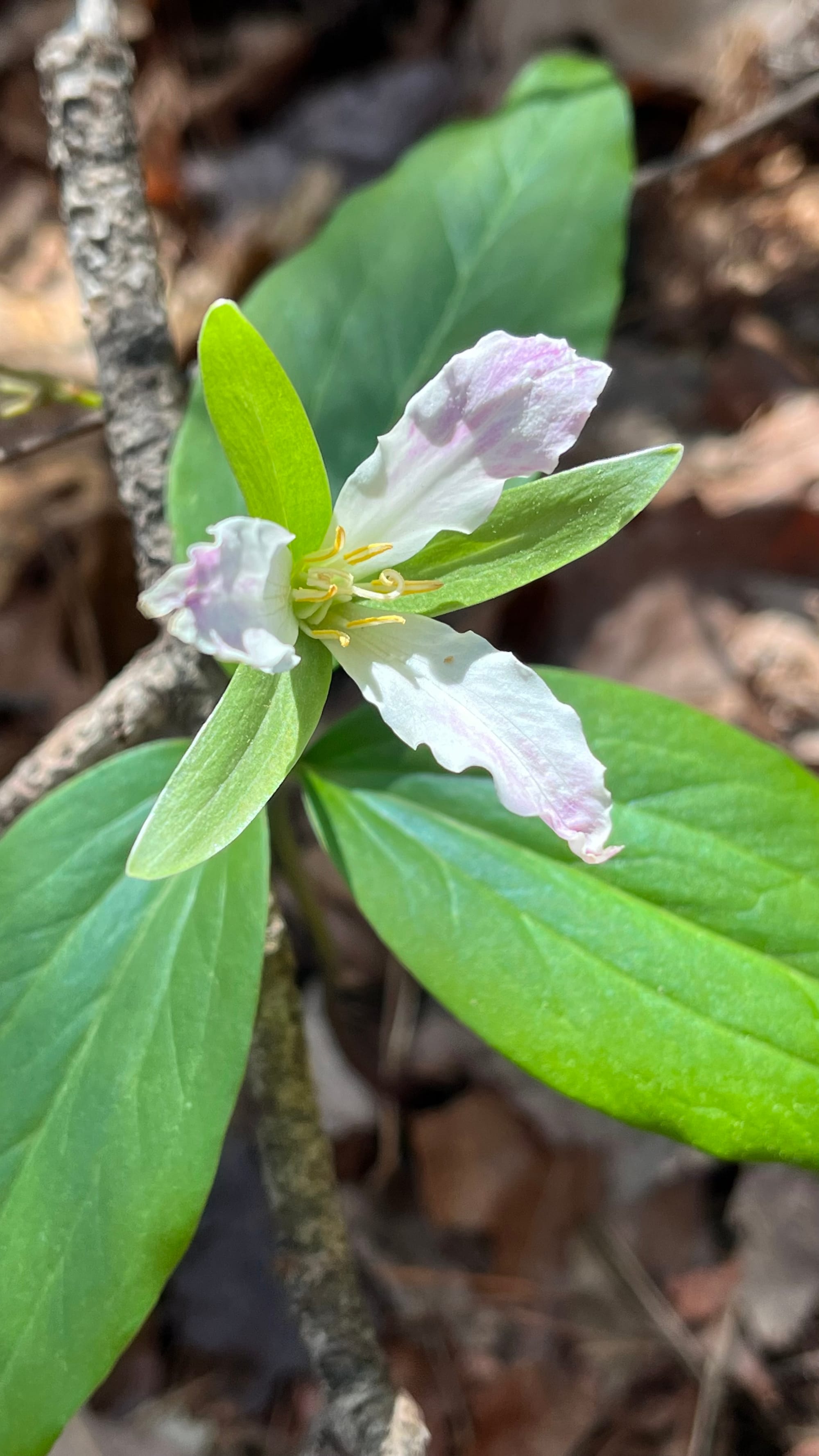
Nature is likely far less abundant than it was in 2025, given the threats of habitat destruction, overexploitation, climate change, and more. I have great sadness for all the places that will be irreparably harmed or permanently changed; all the species that will go extinct or be driven to the brink. What species like the persistent trillium (Trillium persistens) that we found down in Tallulah Gorge in Georgia will we never get to see?
Water across the West is going to be a huge challenge—whether it’s for people or data centers—and around the world.
Whether it’s water (too much or too little) or extreme heat or melting permafrost, American Indians, Alaska Natives, and Native Hawaiians are at particular risk from climate and environmental change.
But while I write this in the very trying time of 2025 to the future you in 2049, I am hopeful. Yes, climate change is happening today and will still be unrolling given the sheer immensity of the process—we cannot avoid that reality. We may have national leadership today who deny and abhor climate science, but reality and physics will have their say in the end! And even though renewable energies are under direct and constant attack, they will surely be back and their growth will help mitigate climate change even as we adapt.
But I’m hopeful because the pendulum will swing back the other way. Not on its own, magically, but because people will be taking action. Along with lots of other people—probably including you, at least while you’re young!—I’ll have spent years in various ways advocating for the Department to ensure it has the people, resources, and authorities to take action for parks and wildlife and conservation and climate and recreation and our public lands. For the future of energy and water. To support science and evidence. To fulfill those trust and treaty obligations to the people of Indian Country that are essential moral responsibilities. Our actions matter, and we have to take them!
That’s the good news, but we also have to be realistic: it’s going to take every bit of 24 years to succeed at this. I know by your personality—and what I hope you’re learning from me and Mom—that you won’t give up as the going gets tough…and it will get tough. But we can succeed; I’m certainly not ready to give up, nor are the many millions of other people, here today or in years to come, who care about all the things the Department makes possible and has made possible over the past two centuries.
We'll do it so you, your dogs, your family and friends, people we've never met, the species and ecosystems that depend on us and on which we depend...so that everyone will be able to enjoy them all!
Love you,
Dad
Seriously, head over to DearTomorrow.org/write and take a step to take action by writing a letter of your own!