A non-martial future for Interior
We're headed down a path where Interior is militarized, and we need to speak out to avoid that

Ed. Note 1: This Memo is based on the proposition that militarization is unhealthy for a free and democratic society. The point of the Memo is not to argue about this fundamental view; if you believe that increased militarization of society is good or even neutral, then we simply will not agree. The current administration’s policy priorities of militarization across government are triggering flashing red warning lights from across society and could be discussed at length. But here, the focus is on something much more subtle: the creep of militarization at the US Department of the Interior with its current focus—verging on fetishization—on armed force over the other ways in which Interior is meant to serve people. Take-away: we should not go gentle into a future where Interior is militarized.
Ed. Note 2: We will forgo the news digest this week given other ongoing work and the fact that many other outlets are covering lots of Interior topics. We will likely reduce the digest frequency overall, pointing readers to those other news resources and have more Memos like this.
—
In 2008, I moved from the border in Southeast Arizona to Central Texas, and there was one big change that I did not expect but that was almost immediately noticeable. The change to Tex-Mex, the humidity, or the abundance of traffic? No, no, and no; those were all expected. It was the realization of how accustomed I had gotten to the militarization of the borderlands and how abnormal that really is.
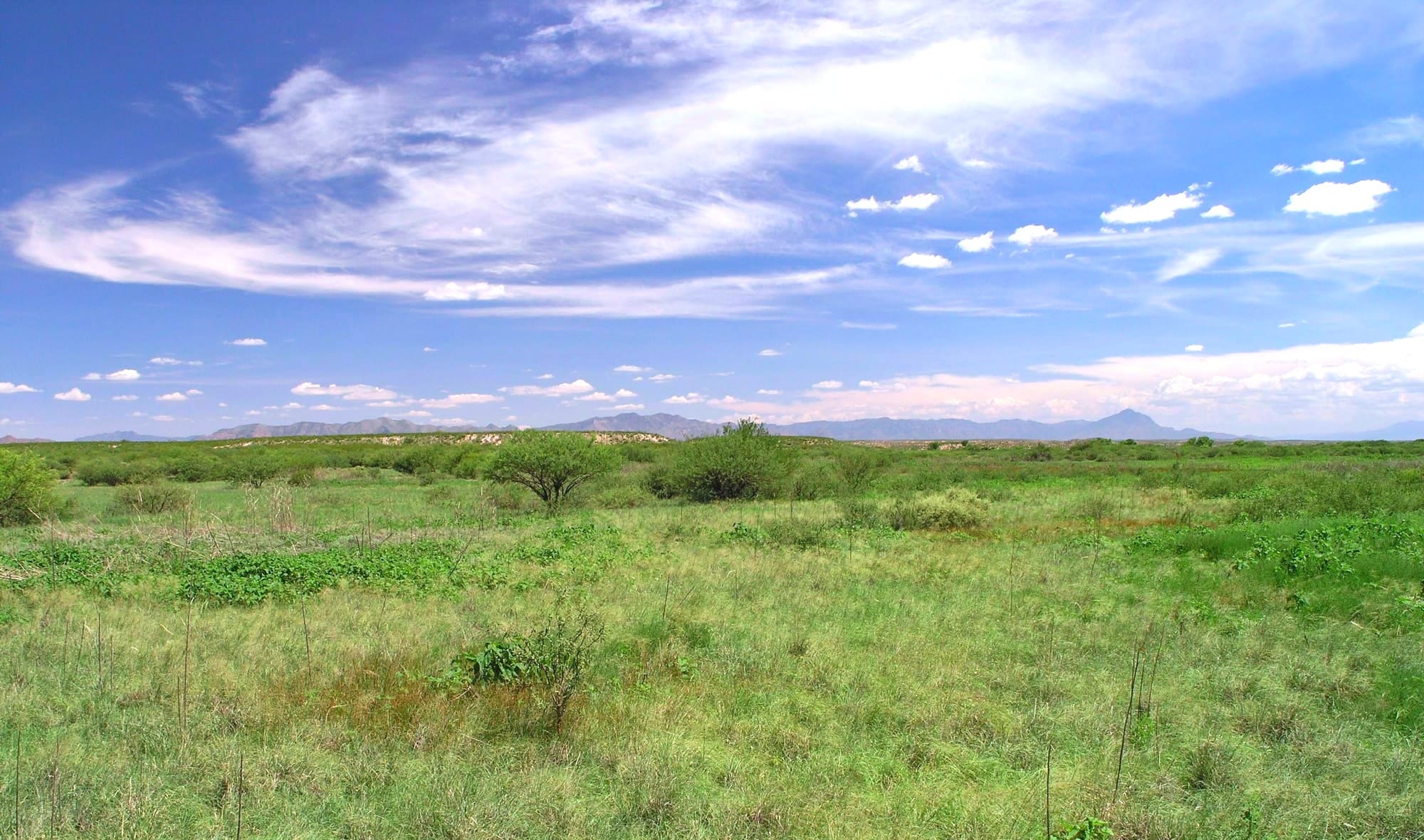
I had worked for nearly a decade for the US Fish and Wildlife Service on the US-Mexico border, on and around wildlife refuges created to protect a community of threatened and endangered fish and frogs and plants dependent on desert wetlands (cienegas). In many ways, that life was pretty normal. I lived in housing at refuge HQ, worked out in wetlands and uplands on the refuges collecting data and managing habitats, so-on and so-forth. But in the spaces between those places—driving on a road to go out to the refuges or going to town, in a store, or any public place—it’s a world apart.
There are law enforcement—Border Patrol, Customs / ICE, and others like National Guard at times—everywhere you turn. Way too many vigilante types, too. Guns, guns, guns. (I have firearms too, but they’re not ever-present in normal life.) Being watched by law enforcement constantly, too many high-speed chases and armored vehicles. Helicopters with spotlights following you along an empty desert road at night. I can’t count the number of times I got pulled over for no reason other than driving on a public road, even had agents draw their weapons. The massive destruction of our landscapes with border walls and barriers, the acceleration of erosion and dissection of habitats from roads as border agents drive all over the place.
When we moved to Austin in 2008, within a couple of weeks I had this realization: wait, I’m not being followed by the boys in green (=Border Patrol). I hadn’t been pulled over since arriving. There weren’t guns and reds-and-blues everywhere. There wasn’t a DMZ (which of course is actually dramatically militarized) scarring the landscape. I remember commenting to my wife about this sudden realization and how I just hadn’t noticed how normalized it had become to me. Sure, I had left the borderlands for trips, vacation, etc. during the years in Arizona, but it was a “bing!” lightbulb moment when I realized how acclimated I had gotten to the militarization of the border by moving away.
And this brings me to the point of this Memo: A bright future for Interior and the country is an Interior that is non-militarized. To get there, we need to push back on our current slip to the militarization of our parks and refuges and public lands now. If we don’t, that militarization will sneak up on us and be normalized—just like I got used to it on the border—and our relationship with Interior’s lands and waters and resources and each other will be worse off.
Will we always need law enforcement presence? Of course, that’s the reality. But right now we’re on a very different path. Between the “surge” in hiring law enforcement for the National Park Service or the Park Police (primarily in DC and San Francisco) and untold thousands of other necessary jobs—scientists and interpreters, equipment operators and managers—being cut or left vacant, the deck is being stacked against all those many other roles we need to fully meet the public’s needs. We have short collective memories and will forget that we used to go to a park to learn about history or a refuge to enjoy nature, not to be surrounded by police and a martial environment. Safety, sure, but it’s our resources and wildlife, our history, our places to recreate, and more that are why Interior is here for the country, not to serve up more police.
Here’s another thing to think about. I’m writing this as a white guy who was harassed endlessly on the border, just for existing. Think about everything that people who are brown-skinned have to put up with! My best friend, who is Native American, got pulled over down there even more than I did, simply because of his skin color. (That’s still happening today with ICE, of course.) Given what we know about the relationship between policing and communities of color, as annoying as a militarized Interior will be for white folks, people of color are going to be hit so much harder in that dark future!
Someone will say that my scenario of militarization is unique to border immigration and controls (let’s dive into that another day). I think it’s an apt, cautionary tale because of my experience of acclimatization to it. And I shudder at the thought of our national parks, wildlife refuges, and public lands slipping into ever-more fortified places, where the norm is police presence, their ever-present scowls and glares, an increasing sense of combativeness and belligerence at every turn. I worked with and among law enforcement on the ground for many years…this is the reality of what it becomes.
I don’t have data on this, but my sense is that people generally do not want that. I suspect they want to see more interpreters helping us understand and appreciate our natural and cultural resources. Or scientists studying how to manage and restore habitats for the wildlife we love and depend on. Equipment operators doing that management and restoration on our public lands. And managers who are responsible for making decisions and choreographing it all to steward our parks, refuges, public lands for the country. Not to go back to the “good ol’ days,” but to aim for something better. And militarization ain’t it.
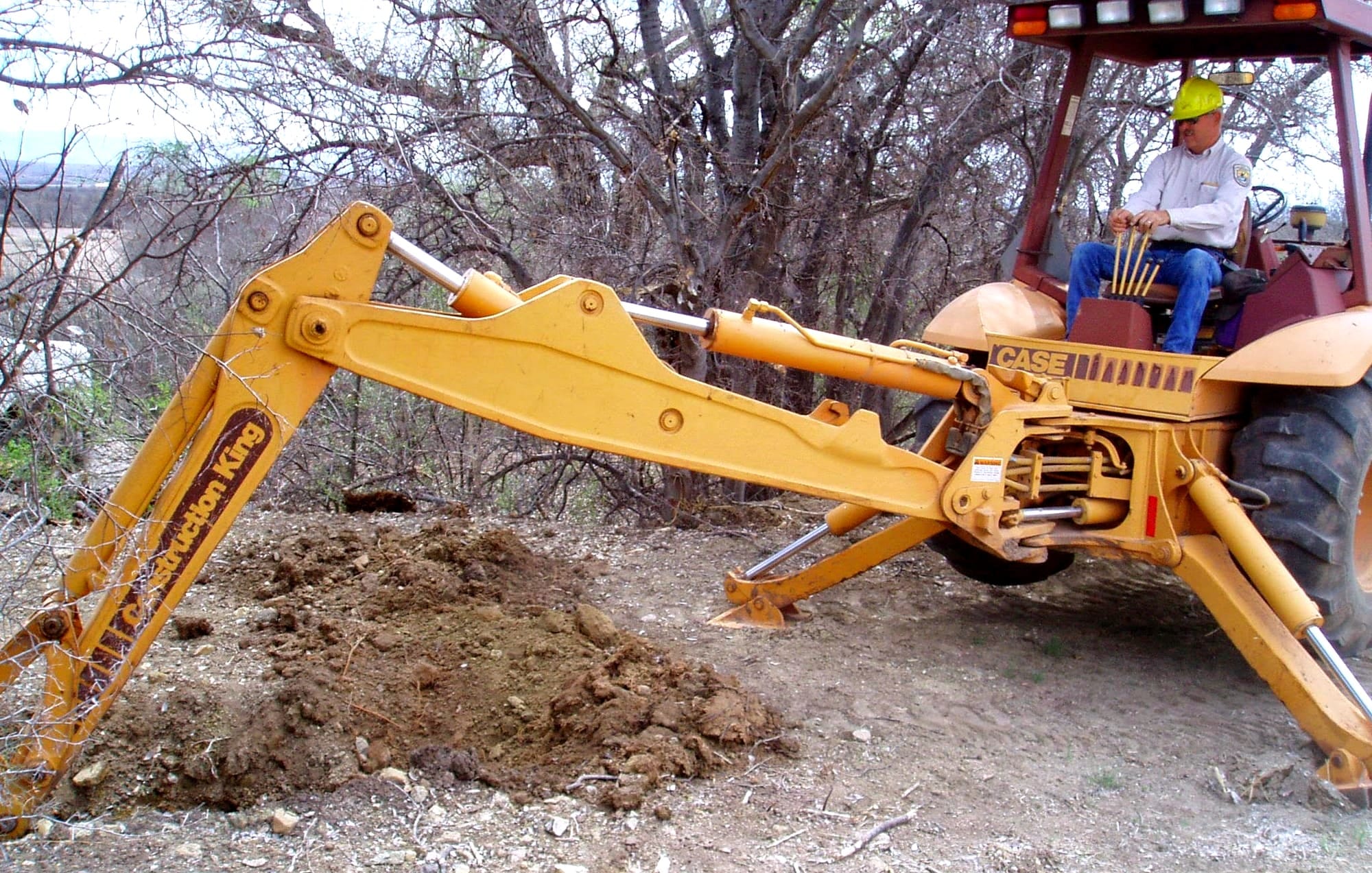
I hope you agree that the Department of the Interior should not be militarized, and that we should get highly sensitized to the ongoing attempts to do so. We should insist on a world where interpreters and biologists and equipment operators and managers—all the other people who serve the public and nature—are given every bit the same level of respect and attention as police. That we steer away from militarizing Interior.
To borrow from and with all respect to Dylan Thomas, we cannot go gentle into that good night of a militarized Interior, and let's rage, rage against the dying of the light that are our free and open public lands and waters.